


 ARSALAN
 October 30, 2026
Why Your Business May Be Losing Customers Between Search, Social and Your Website
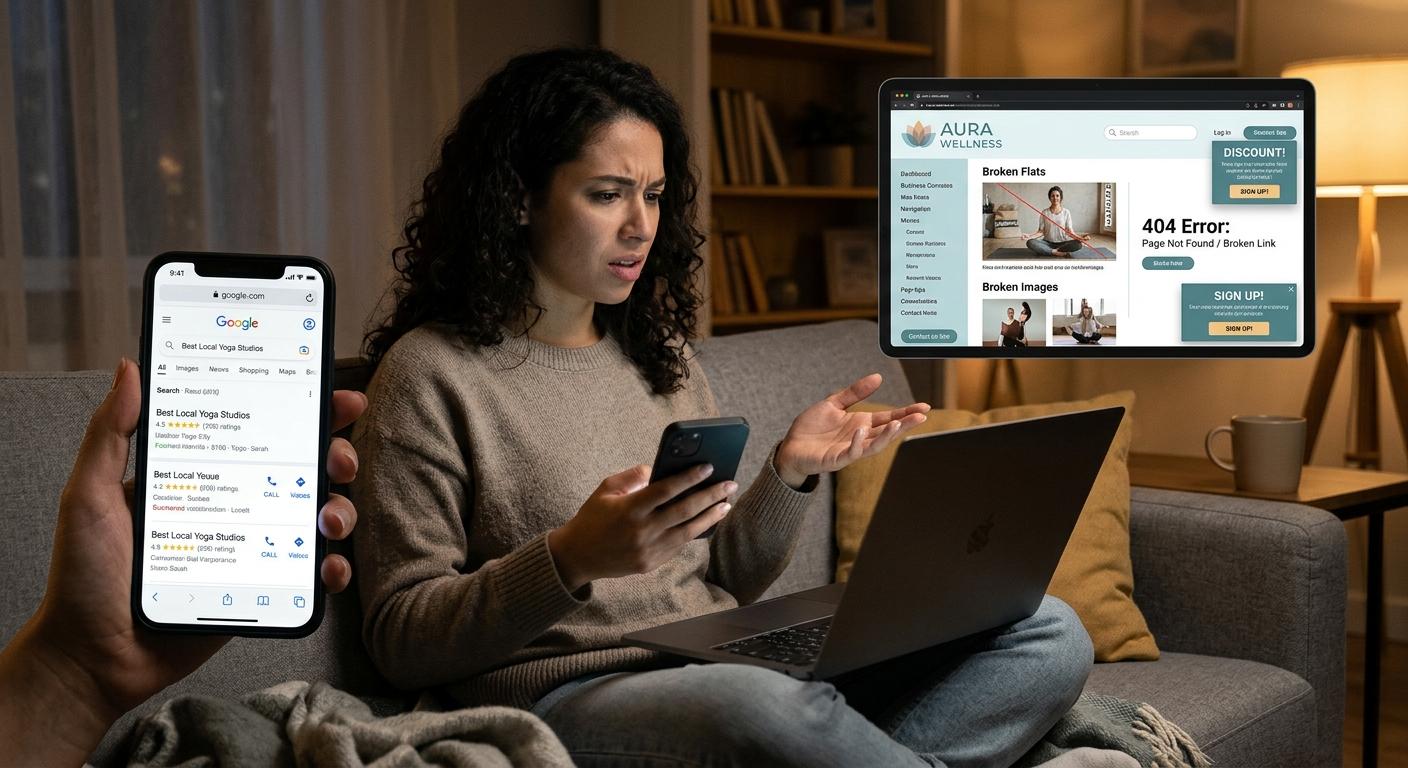
A potential customer discovers your business on Google, visits your Instagram profile, and eventually clicks through to your website. They seem interested, but they leave without making an inquiry or purchase.
What went wrong?
Your search visibility might be strong. Your social media content might be attracting attention. Your website might even look professional. Yet customers can still disappear when these channels fail to work together.
Perhaps your Google listing promises one thing, your social media communicates something different, or your landing page does not answer the question that brought a visitor to your website. Each individual channel may be doing its job, but the overall experience leaves customers uncertain about what to do next.
For businesses trying to turn online visibility into meaningful results, understanding these gaps is essential. A digital marketing company in Dubai can help identify where the customer journey breaks down and develop a more connected experience from the first interaction to the final inquiry.
Your Search Result Attracts Attention but Sets the Wrong Expectation
Search is often the first point of contact between a customer and a business. People use Google to compare services, understand their options, check prices, and find solutions to specific problems. Your search listing needs to attract attention, but it must also set the right expectation.
Imagine someone searches for an affordable service in Dubai. Your page title highlights competitive pricing, so the person clicks. However, the landing page focuses entirely on premium features without explaining the available options or what affects the cost. The visitor has no immediate reason to continue. This disconnect can happen when titles, meta descriptions, page content, and actual services are developed separately.
To prevent it, make sure your search listings accurately reflect what visitors will find after clicking. If a page promises a service, answer the questions people are likely to have about it. If the search suggests that someone is comparing options, provide useful information that supports that decision. The objective is not simply to win the click. It is to make the click worthwhile.
Your Social Media Creates Interest but Does Not Build Enough Confidence
Social media helps people discover brands, see products in action, understand a company's personality, and observe how it interacts with customers. However, interest does not automatically become trust.
A business might publish attractive visuals and engaging videos while leaving important questions unanswered. Potential customers may want to understand how a service works, what makes the business suitable for them, or how they can get started.
If your social media content only promotes offers and celebrates the brand, it may not give people enough information to take the next step. A stronger approach combines different types of content:
- Discovery content: Introduces the problem your business solves.
- Educational content: Explains services, processes, or common customer questions.
- Proof-based content: Shares relevant case studies, testimonials, demonstrations, or project examples where available.
- Decision-making content: Helps people understand their options and take the next step.
Each post should have a purpose within the customer journey. Someone discovering your brand for the first time may need a useful explanation, while someone already considering your service may need more detailed information.
When your social media content reflects these different needs, it becomes easier for interested people to move from curiosity to consideration.
Your Website Does Not Continue the Conversation
A visitor clicks through from a search result or social media post. What happens next should feel like a natural continuation of that interaction.
If the visitor arrives on a generic homepage instead of a relevant service or campaign page, they may have to search again for the information they expected to find.
That extra effort creates unnecessary friction.
For example, someone who clicks an advertisement for a specific service should not have to navigate through several unrelated sections before discovering what the service includes. Similarly, a person who follows a social media post about a particular offer should be able to find the relevant details on the destination page.
A useful landing page should quickly establish three things:
- Relevance: Does this page address the visitor's original need?
- Clarity: Can the visitor understand the service, offer, or solution?
- Direction: Is the next step obvious?
This does not mean every page needs an aggressive sales message. Depending on the visitor's intent, the next step might be reading a guide, viewing a portfolio, comparing options, requesting a quote, or booking a consultation. Your website should make that next step easy to understand.
Your Messaging Changes from One Channel to Another
Customers rarely experience your marketing as separate departments or campaigns. They see one brand. When your messaging changes dramatically between platforms, it can make your business feel inconsistent.
Consider a company that promotes itself as a straightforward, customer-focused service provider on social media. Its website, however, uses complicated language, makes broad claims, and hides important information behind multiple clicks.
The brand experience no longer feels consistent. This problem can also appear when different teams create campaigns independently. The SEO team may focus on one selling point, the social media team may emphasise another, and the paid advertising team may promote a third.
Different messages are not necessarily a problem. Each platform has its own audience behaviour and content requirements. The issue arises when the messages contradict one another or fail to support the same customer expectations.
Develop a clear messaging framework that defines your audience, value proposition, tone, main benefits, and supporting evidence. Then adapt that framework to the purpose of each channel. Consistency helps customers recognise what your business stands for, even when they encounter it in different places.
Your Calls to Action Ask for Too Much, Too Soon
A person who has just discovered your business may not be ready to make a purchase. Asking them to commit immediately can create a barrier rather than encourage action. The right call to action depends on what the visitor already knows and what they need to decide.
For example, a first-time visitor reading an educational article might prefer to explore a related service page. Someone comparing providers may want to see previous work or understand the process. A visitor who has already reviewed the service details may be ready to request a quote.
When every channel uses the same generic instruction, such as "Contact Us Now," the opportunity to guide different visitors through appropriate next steps is lost.
Review your calls to action across search landing pages, social media profiles, advertisements, and website pages. Ask whether each action matches the visitor's likely level of interest. A good call to action should make the next step feel relevant, understandable, and proportionate to the decision being requested.
You Cannot Identify Where Potential Customers Are Dropping Off
Sometimes a business knows that its marketing is generating activity but cannot explain why enquiries remain low. Search impressions are increasing. Social media engagement looks encouraging. Website traffic is arriving. Yet the number of qualified leads has barely changed.
Without connected measurement, these signals are difficult to interpret. The problem might be that search traffic is reaching the wrong pages. Social media visitors may be interested in the content but not the service. Website visitors may be encountering a confusing form or an unclear offer.
Instead of reviewing each channel's numbers in isolation, examine how visitors move between them and what they do afterward.
Useful measurements can include:
- Search clicks and the landing pages receiving them.
- Referral visits from social media and paid campaigns.
- Engagement with important service pages.
- Calls, form submissions, bookings, or purchases.
- The proportion of enquiries that become qualified leads.
- Drop-off points in important conversion journeys.
Analytics tools, campaign tracking parameters, and properly configured conversion events can help connect these activities. However, tracking needs to be implemented correctly, and privacy and consent requirements must be respected.
The aim is to find actionable evidence. If a campaign generates plenty of visitors but few relevant enquiries, investigate the audience, message, landing page, and offer before simply increasing the budget.
Your Follow-Up Does Not Match the Customer's Previous Interaction
The customer journey does not always end when someone leaves your website. A person may compare services today, revisit your social media account tomorrow, and return to your website several days later. If your marketing treats every interaction as an entirely new introduction, you may miss opportunities to build on their existing interest.
For instance, someone who has already downloaded a guide may benefit from a related resource rather than receiving the same introductory message repeatedly. A person who has submitted an enquiry needs a relevant response, not another advertisement encouraging them to make that same enquiry.
Where appropriate and permitted, businesses can use customer relationship management systems, email marketing, and audience-based campaigns to make follow-up more relevant. This does not mean tracking every visitor or sending constant reminders. It means using available information responsibly to deliver useful communication at the right stage. Good follow-up respects the customer's choices, avoids unnecessary repetition, and makes it easier to continue the conversation.
How a Digital Marketing Company in Dubai Can Help Close These Gaps
When search, social media, advertising, and website development are managed without a shared direction, it becomes difficult to understand the full customer journey. A coordinated approach starts by examining how these channels support one another.
A digital marketing company in Dubai can help businesses review their search visibility, campaign messaging, social media content, landing pages, and conversion tracking to identify where potential customers may be losing interest. The process should begin with evidence rather than assumptions.
For example, the review might reveal that a popular search term attracts visitors whose needs are not addressed by the landing page. Alternatively, social media campaigns may generate interest, but the website may provide insufficient information to help visitors make a decision.
Once the main friction points are identified, the business can prioritise improvements according to their likely impact and implementation effort. This could involve aligning campaign messages with landing pages, improving service descriptions, clarifying calls to action, fixing tracking gaps, or creating content that answers common customer questions.
Quick Digitals provides digital marketing services designed around business objectives. Explore the Quick Digitals website to learn more about its services and how a coordinated approach can support your digital marketing goals.
Build a Customer Journey That Feels Connected
You do not need to redesign every marketing channel at once. Start by examining one important customer journey from beginning to end. Choose a service or product that matters to your business. Then follow the steps a potential customer might take:
- What do they see when searching for the service?
- What happens when they visit your social media profile?
- Which page do they reach after clicking an advertisement or post?
- Can they find the information needed to make a decision?
- Is the next step clear and easy to complete?
- What happens after they submit an enquiry or leave without converting?
Look for contradictions, missing information, unnecessary steps, and unclear calls to action. Use analytics and customer feedback to validate what you observe.
Then make improvements in order of priority. Fixing a confusing landing page may be more valuable than publishing additional social media content if the existing campaign is already attracting relevant visitors.
Repeat the process for other important journeys as you learn more about customer behaviour. Over time, this approach can help your marketing channels operate as connected parts of the same experience rather than separate sources of traffic.
Final Thoughts
Customers do not always disappear because your business lacks visibility. Sometimes they leave because the experience becomes confusing between the moment they discover your brand and the moment they are expected to take action.
A search result may create an expectation that the website fails to meet. Social media may attract attention without answering important questions. A landing page may provide information without offering a clear next step. Poor measurement can make these problems even harder to identify. The solution begins with looking beyond individual channel performance and examining the complete customer journey.
When search, social media, and your website communicate consistently, answer customer questions, and guide people towards relevant actions, your marketing has a better opportunity to turn attention into meaningful business outcomes.
Frequently Asked Questions
Why do businesses get website traffic but few enquiries?
Traffic may come from people whose needs do not match the service, or visitors may struggle to find relevant information, understand the offer, or complete the next step. Reviewing landing pages, traffic sources, conversion tracking, and enquiry quality can help identify the underlying issue.
How do SEO and social media work together?
SEO helps people discover relevant pages through search, while social media can introduce your brand, distribute useful content, and encourage further engagement. Both channels are more effective when their messaging supports consistent customer expectations and directs people towards relevant resources.
How can I tell whether my website is losing potential customers?
Review analytics for landing-page engagement, conversion events, form completion, and drop-off points. Compare these findings with customer feedback and the promises made in your search listings, advertisements, and social media posts.
Should every digital marketing channel have the same message?
The core value proposition should remain consistent, but the presentation can change to suit the channel and audience. Search listings, social media posts, and landing pages serve different purposes, so their messages should complement rather than contradict one another.
What should I fix first if my digital marketing is not generating leads?
Start with the most important customer journey and identify its biggest obstacle. Depending on the evidence, this could be irrelevant traffic, a mismatch between an advertisement and its landing page, unclear service information, a difficult enquiry process, or incomplete conversion tracking.
Categories
Recent Post


 October 21, 2026
What Should Businesses Know Before Investing in SEO in Dubai?
 October 19, 2026
